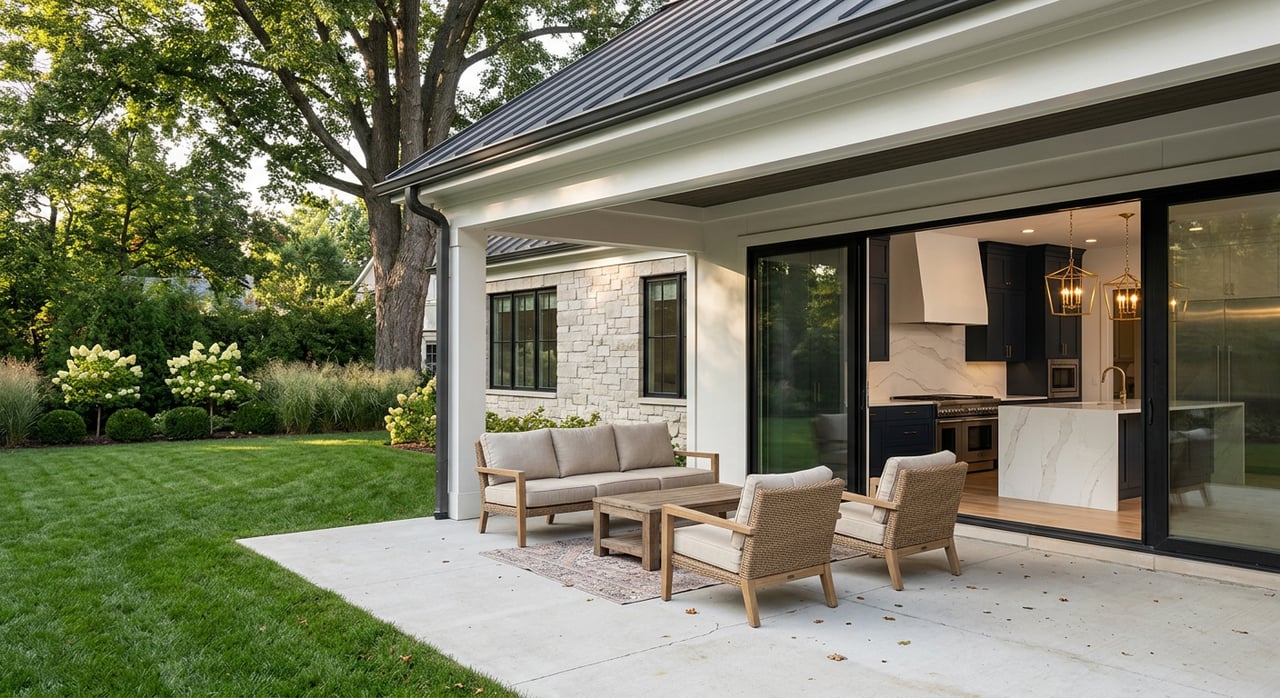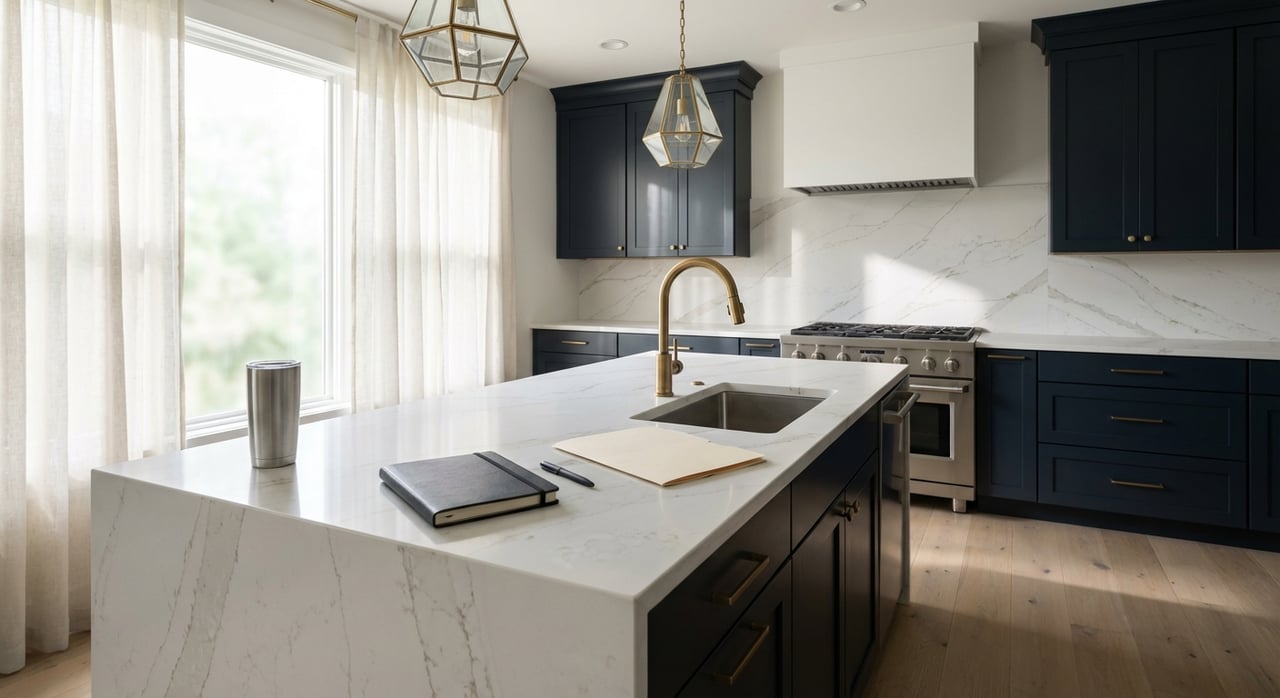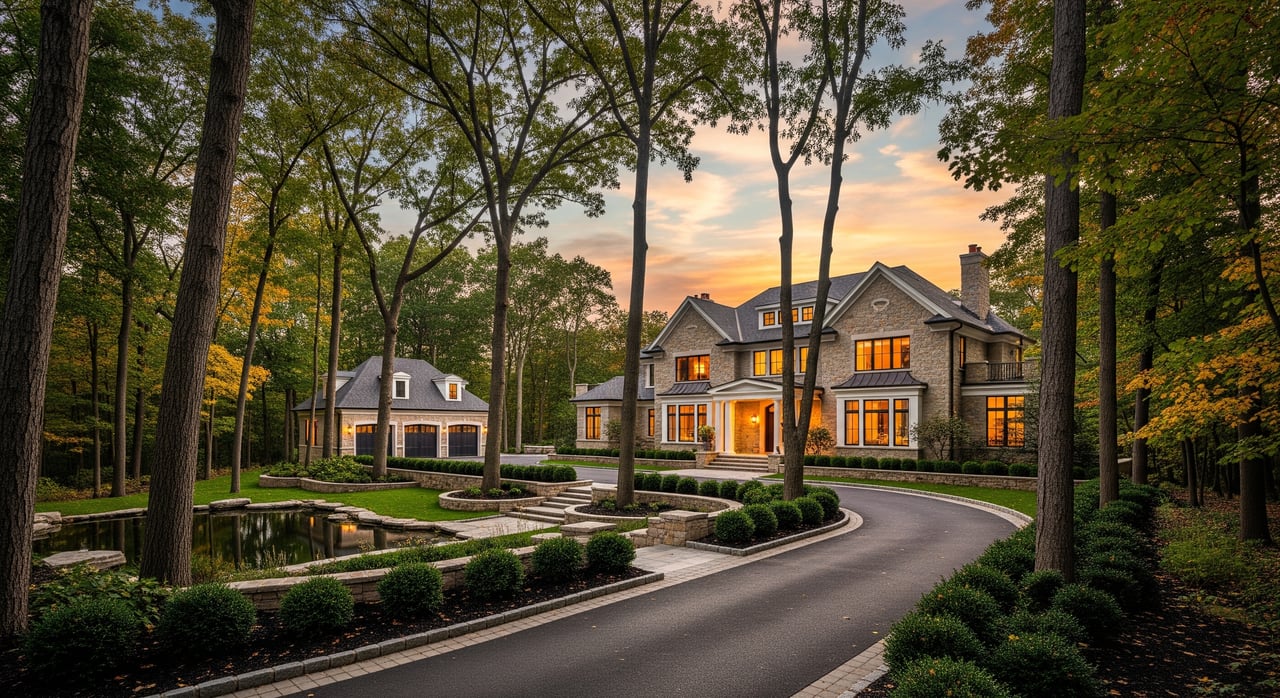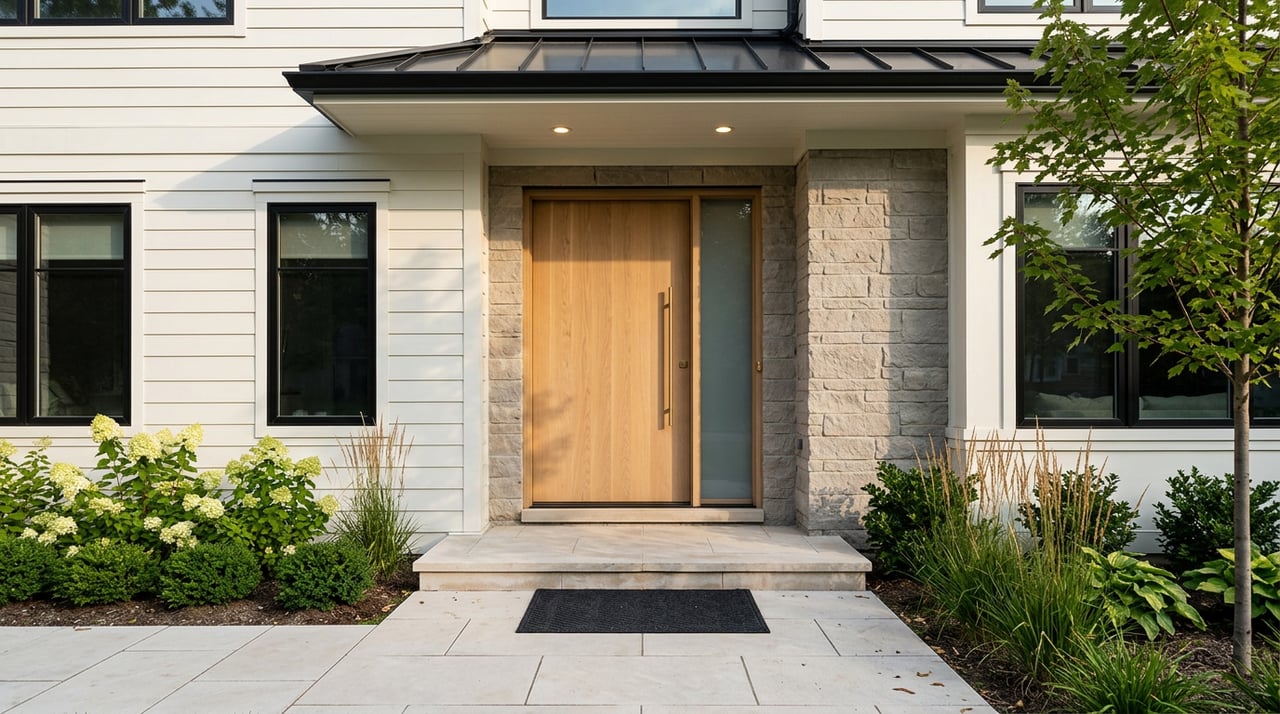
Thinking about building your next home in Washington Township? You are not alone. New construction in ZIP 48065 draws buyers who want modern layouts, energy-efficient systems, and a clean slate to make their own. In this local guide, you will learn how to compare builders, choose the right lot, budget for upgrades, time your inspections, and understand warranties and contracts. Let’s dive in.
Washington Township quick facts
Washington Charter Township sits in northern Macomb County, part of Metro Detroit’s outer ring. The township includes addresses in ZIP 48065 and areas near the Village of Romeo. Boundaries and school districts vary by lot, so always confirm a property’s exact location and rules before you buy. You can review the township overview for context on the area’s geography and governance in the Washington Charter Township profile.
Public pricing snapshots have shown a higher median sale price in 48065 compared with some nearby areas, and builders often list at premium price points depending on lot and finishes. Treat any single number as a snapshot that changes month to month. Base prices, lot premiums, and upgrade costs vary by community, so verify current numbers before you make an offer.
Where to find new homes locally
Production and semi-custom communities
You will find a mix of larger, production-style neighborhoods and smaller enclaves. National builders offer standardized floor plans, predictable timelines, and quick-move-in options. For example, M/I Homes markets new communities in Washington Township, such as Powell Ridge and phases around Glacier Club, with floor plans, included features, and available homesites listed on the M/I Homes Washington Township community page. These neighborhoods often highlight amenities and access to outdoor assets like the Macomb Orchard Trail and Stony Creek Metropark.
Custom and small-batch builders
Smaller local and custom builders work on one-off lots or petite subdivisions. You typically get greater flexibility on plan changes and finishes, and often larger or more private sites. Timelines can be longer and per-square-foot costs higher. If you pursue a custom build, ask for references, a subcontractor list, proof of insurance, and a written warranty program before you sign.
Quick-delivery options
Many production builders release “spec” or quick-delivery homes when they are partway through construction. These can save time if you need to move this year, but your ability to change finishes may be limited. Compare the included features to model-home upgrades so you know what you are getting.
How builder sales really work
The on-site rep represents the builder
The person in the model home is employed by the builder. They can explain floor plans, timelines, and incentives, but they do not advocate for you. To protect your interests and keep more negotiating room on allowances and options, bring a buyer’s agent or register your agent on your very first visit. In Michigan, the law requires clear agency disclosure and permits dual agency only with your informed, written consent. You can review the statute on Michigan’s agency disclosure requirements.
What to expect at the selections center
After you choose a floor plan and lot, you will visit a design or selections center. There you will pick cabinets, counters, tile, fixtures, and sometimes structural changes like a sunroom or an expanded garage. Get a dated, written “what’s included” sheet for the base price and ask for itemized pricing on common upgrades. Always attach the final selections list to your purchase agreement.
Choose the right lot
Premium lots and rules
Lots with golf views, ponds, woods, cul-de-sacs, or extra depth often carry premiums. They can improve day-to-day enjoyment and future resale appeal. Before you pay for a premium, confirm setback rules, any HOA maintenance obligations, utility easements, and subdivision deed restrictions. The township notes that permits do not override subdivision restrictions. Use the Washington Township Building Department page to understand permit and inspection authority and to confirm what the municipality controls.
Drainage, grading, and finished basements
In Michigan, proper drainage is essential, especially if you plan a finished basement. Ask for the lot grading plan and details on drain tile, sump pump placement, and waterproofing. If a soil erosion permit is required, confirm that it has been obtained. For authoritative guidance on permits, inspections, and sign-offs, refer to the township’s Building Department resources.
Upgrades that add real value
Decide what to do now vs later
Many buyers spend a meaningful share of the base home price on options. A simple rule helps: do structural and systems choices with the builder, then consider cosmetic projects after closing. Items like cabinet layouts, plumbing rough-ins, and stair upgrades are harder or costlier to change later. Paint, lighting, hardware, and even some flooring can be replaced post-close on your schedule.
Lean on Cost vs. Value benchmarks
National Cost vs. Value studies show that mid-range exterior upgrades often recoup a larger share of cost at resale. While results vary by neighborhood, projects like a quality garage door, an upgraded entry door, and stone veneer accents have historically scored well for return. Use the latest Remodeling Cost vs. Value report as a guide to set expectations. Treat these as national and regional averages, not promises for a specific address.
Energy and mechanical choices
Upgrading insulation, windows, and HVAC can reduce utility costs and may be attractive to future buyers. Some efficiency choices pay you back over time more than at resale, so separate personal comfort and operating-cost benefits from pure return on investment.
Inspections and warranties you should schedule
Independent inspections at each phase
Municipal inspections focus on code compliance. Independent inspections focus on the quality of the build and items that can hide behind drywall. For best results, schedule:
- A foundation or pre-pour review when forms and footings are in place.
- A pre-drywall inspection to check framing, electrical, plumbing, and HVAC routing.
- A final inspection before the builder’s walk-through to build your punch list.
For checklists and what to look for at each stage, see this practical new construction inspection guide.
Township sign-offs and Certificate of Occupancy
Your builder must pull permits and pass municipal inspections at each step. Before you close or take keys, confirm that the township has issued the final sign-off and the Certificate of Occupancy. You can verify process details with the Washington Township Building Department.
Understand the warranty structure
Most reputable builders offer a written express warranty. A common model is “1-2-10,” which means one year for workmanship, two years for major systems, and ten years for structural components. Many builders use third-party programs for the structural portion. Learn what is covered, who handles claims, any deductibles, and whether the warranty transfers if you sell. For an overview of structural coverage programs, review third-party new-home warranty basics.
Do an 11-month warranty inspection
Schedule another independent inspection a few weeks before your one-year anniversary. This helps you document items that should be addressed under the builder’s first-year coverage or the structural program’s rules.
Financing, incentives, and contracts
Builders often offer incentives tied to a preferred lender or title provider. Compare the net of any credits, rate locks, and closing costs to independent lender quotes. The builder’s purchase agreement is written to favor the builder, so read every page.
Here is what to confirm in writing:
- Deposit schedule and what happens if timelines change.
- Financing contingencies and any deadlines that could risk your earnest money.
- A full list of included features and every paid upgrade, signed and dated.
- Change-order rules, cut-off dates, and pricing for late changes.
- Exact completion and closing timelines, and how delays are handled.
- The warranty booklet and how to submit claims.
In Michigan, you should also receive an agency disclosure. If a representative claims to represent you, ask for a written buyer agency agreement that names you as the client and confirms duties. You can read the statute here: Michigan agency disclosure law.
A simple step-by-step plan
- Visit model homes with your agent or register your agent at your first visit.
- Compare communities, lots, and base inclusions side by side.
- Ask for the sample purchase agreement, options addendum, deposit schedule, and warranty booklet early.
- Price your must-have structural options with the builder, then compare cosmetic projects you could do after closing.
- Lock the lot and selections, then schedule independent inspections: pre-drywall and final.
- Confirm township permit history and final sign-off, and get the Certificate of Occupancy before closing.
- Set a reminder for an 11-month warranty inspection and keep all punch-list items in writing.
Ready to build in Washington Township?
If you want the clarity and confidence to build well, we can help you compare builders, lot options, and upgrade paths that fit your goals and timeline. From your first model visit to your 11-month inspection, you will have a local advisor in your corner. Reach out to Cameron Boutros to tour communities, review contracts, and craft a plan that gets you into the right new home.
FAQs
What makes Washington Township a good fit for new construction?
- You get a mix of production communities and custom-lot options in an outer-northern Macomb County setting, with amenities and outdoor access promoted by local builders.
How do I know if a premium lot is worth it?
- Confirm easements, HOA duties, setbacks, and any deed restrictions, and weigh daily enjoyment and potential resale appeal; the township building page explains municipal oversight versus subdivision rules.
Do I need inspections on a brand-new home in 48065?
- Yes. Independent inspections at pre-drywall, final, and the 11-month mark catch workmanship and system issues that municipal code checks may not; see this phase-inspection checklist.
What warranty should I expect from a builder?
- Many offer a “1-2-10” structure with third-party structural coverage; confirm scope, claim process, deductibles, and transfer rules; learn more in this structural warranty overview.
How does Michigan agency disclosure affect my new-build purchase?
- You should receive an agency disclosure early, and dual agency is only allowed with informed, written consent; review the Michigan agency disclosure law before you sign.