Wondering why Washington Township never feels like just one kind of housing market? That is because it is not. From village-edge blocks and newer subdivision pockets to larger rural parcels and custom-home settings, this part of Macomb County offers a mix of home styles shaped by planning, land use, and local history. If you want to narrow your search or better understand how different areas of the township feel on the ground, this guide will help you spot the patterns that matter. Let’s dive in.
Why Washington Township Has Distinct Housing Pockets
Washington Township covers 35.58 square miles, so variety is part of the story from the start. The township had an estimated population of 29,229 as of July 1, 2025, and an owner-occupied housing rate of 81.3%, which points to a community with a strong base of long-term homeowners.
The township’s housing pattern also reflects its agricultural roots. The draft master plan connects today’s neighborhoods to orchard land, farming history, and early communities such as Washington, Clifton Mills, and Mount Vernon. That history still shows up in how different pockets of the township developed.
Another key reason for the variety is zoning. Washington Township is divided into several residential categories, plus village-center and nonresidential districts, so you do not see one continuous stretch of identical subdivisions across the map. Instead, you get a mix of lot sizes, housing formats, and neighborhood layouts depending on the area.
Home Styles You’ll Find
Newer Subdivision Homes
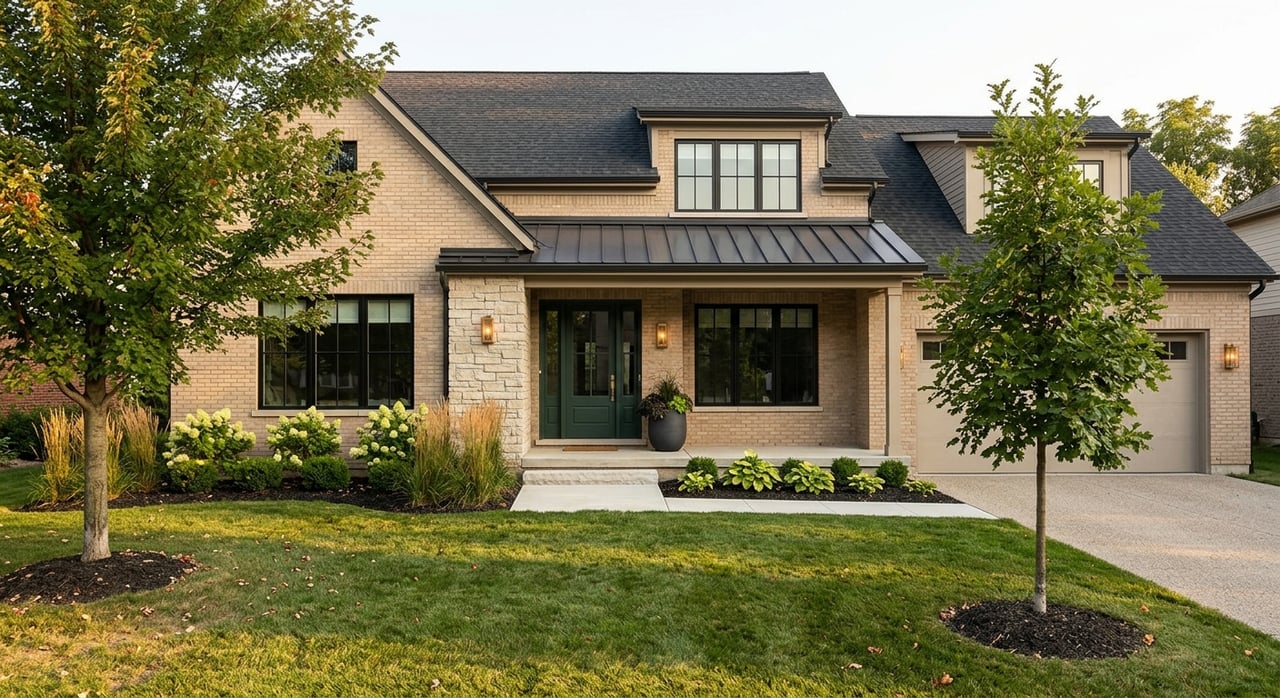
If you are looking for a more traditional neighborhood setting, newer subdivision-style communities are one of the clearest options in Washington Township. These areas often feature single-family homes with one- and two-story layouts, open floor plans, and exterior materials like brick and stone.
Representative communities in the township show common features buyers tend to expect in this category. These can include porches, ponds, walking paths, trail access, and organized streetscapes that create a consistent neighborhood feel.
For many buyers, this housing style fits the move-up market well. You may find a balance of newer construction design, manageable lot sizes, and neighborhood amenities without moving too far from the main township corridors.
Custom Homes And Premium Lots
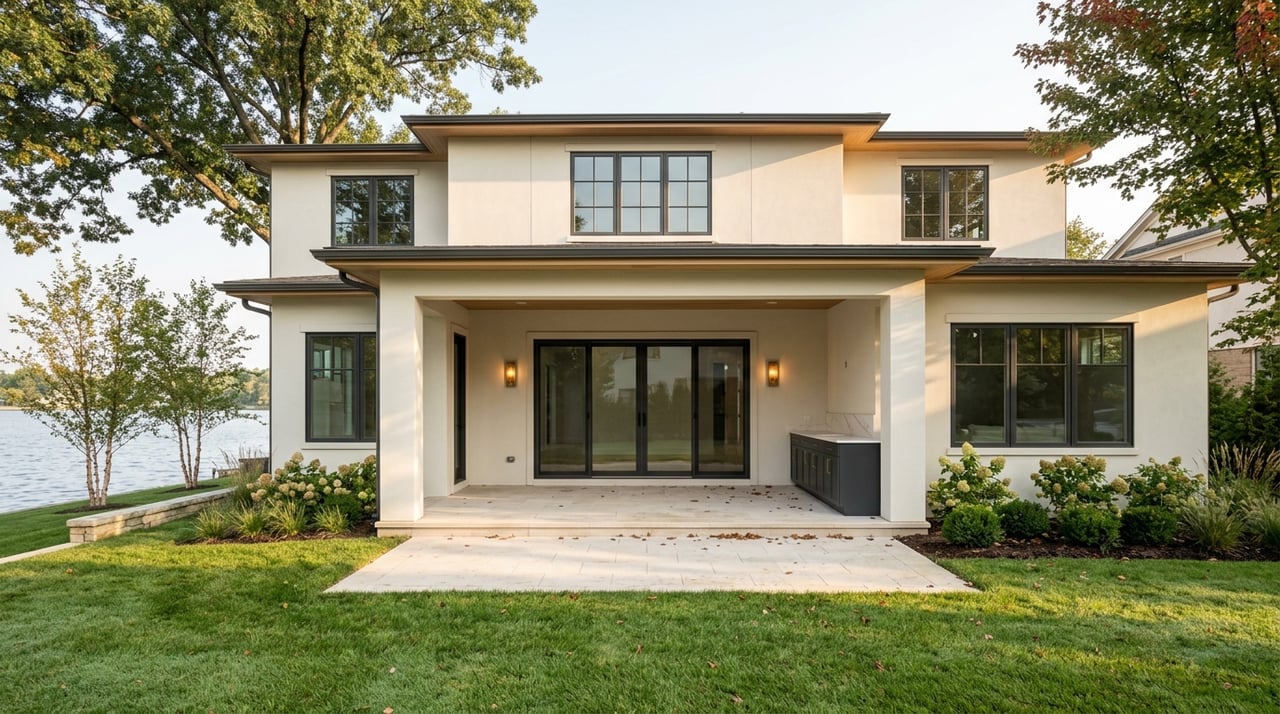
Washington Township also has pockets that feel more tailored and less production-oriented. In these areas, the pattern shifts toward lower-count communities, custom-home settings, and premium homesites that offer more separation between properties.
Examples noted in current market references include communities built around larger lots, private rear-yard settings, or a more limited number of homesites. That can appeal to buyers who want a custom-home feel, more privacy, or a setting that is less uniform than a standard subdivision.
These pockets often align with the township’s larger-lot planning categories. If space, layout flexibility, or a more estate-style setting matters to you, this is one of the most important distinctions to keep in mind while searching.
Village-Edge Homes
Another housing type to know is the village-edge pocket near the Washington Village framework and the shared Romeo-area edge. This is a different feel from the larger-lot and newer-subdivision parts of the township.
The Village Center district uses a 6,000-square-foot minimum lot area and is intended to support a mix of residential and village-style uses. That planning approach creates a setting where homes and mixed-use blocks near the village edge can feel more compact and connected than what you see in the township’s rural sections.
Corridor-Based Multifamily Options
Attached and multifamily housing exists in Washington Township, but it is not spread evenly across the entire community. According to the draft master plan, existing multifamily districts are concentrated in the Van Dyke/M-53 corridor.
That matters if you are comparing housing types. If you are looking for attached living, a more maintenance-light setup, or corridor-based residential options, your search will likely be more productive in that part of the township rather than across western rural areas.
Key Neighborhood Pockets In Washington Township
South-Central Development Ring
The draft master plan places moderate-density residential as a transitional ring around more intensive south-central development. In practical terms, that means some of the township’s more neighborhood-style housing options cluster around the more developed south-central area rather than the far western edge.
For buyers, this pocket can be useful if you want a residential setting that still sits near the township’s more active corridors. It is also one reason online searches by subdivision name or major corridor can be more effective than broad township-wide browsing.
Western Rural And Open-Space Areas
Much of western Washington Township is planned for suburban-residential and open-space use, with an emphasis on preserving rural character and agriculture. The draft master plan also notes that some of these areas have limited utilities and paved roads.
This part of the township is where the rural identity becomes more visible. If you are drawn to wooded parcels, orchard-area context, acreage, or a more open setting, western Washington Township is the area to study closely.
This pocket is especially important for buyers who want an estate-style property. The planning framework ties rural and estate housing to larger lot expectations, which helps explain why homes here can feel more spread out and less subdivision-driven.
Romeo-Adjacent Village Edge
The Romeo-adjacent pocket is one of the most recognizable location-based searches in Washington Township. Macomb County’s Romeo and Washington Township map identifies a shared village-edge area with streets such as Boulder Pointe Drive, Southdale Drive, Lockwood Drive, and Cory Lake Drive.
For buyers, that street cluster provides a practical reference point. If you want a location with village-edge context, looking near those streets can help you focus your search more effectively.
Van Dyke/M-53 Corridor
The Van Dyke/M-53 corridor stands out as the township’s main concentration for multifamily districts. It also reflects the broader planning pattern of placing some higher-intensity residential formats closer to established corridors.
If your priorities include easier access to major routes or a housing type outside the typical detached-home pattern, this corridor deserves attention. It is one of the clearest examples of how Washington Township’s housing choices vary by location.
How Lot Size Shapes The Feel
One of the most helpful ways to understand Washington Township is by looking at planned lot-size expectations. The draft master plan ties residential categories to these general benchmarks:
- Rural and Estate: 90,000+ square feet
- Large Lot: 40,000+ square feet
- Low Density: 30,000+ square feet
- Moderate Density: 20,000+ square feet
- Suburban Residential: 10,000+ square feet
These ranges do not mean every home in a category looks the same. Still, they give you a useful way to predict what an area may feel like before you ever schedule a showing.
In general, larger-lot areas tend to offer more separation, a more open visual pattern, and a stronger connection to the township’s rural history. Smaller-lot village or suburban areas often create a more compact neighborhood rhythm.
What Buyers Should Search For Online
If you are early in your home search, broad terms like “homes for sale in Washington Township” may not be enough. The research points to a smarter approach based on how the township is actually laid out.
Start with filters such as:
- Subdivision name
- Lot size
- Corridor or major location
- Terms like acreage, orchard, wooded, or large lot for rural searches
- Village-edge street references for Romeo-adjacent searches
This can save time and help you avoid comparing homes that belong to very different housing pockets. A village-edge property, a corridor-based attached unit, and a western large-lot home may all share the same township name, but they often serve very different goals.
It is also important to remember one planning detail. The Future Land Use Map is a general guide, not parcel-specific zoning, so it helps explain trends but does not by itself change zoning for a specific property.
What This Means If You’re Buying Or Selling
If you are buying in Washington Township, the biggest advantage is clarity. Once you understand the township’s pockets, you can search with a sharper lens and focus on the home style, lot size, and location pattern that actually matches your needs.
If you are selling, this same local context can help shape better pricing and marketing. A home in a village-edge setting, a newer subdivision, or a larger rural parcel should be positioned based on the pocket it belongs to, not treated as interchangeable with every listing in the township.
Washington Township’s median owner-occupied home value is $408,400, but the township’s range of housing types means presentation and positioning matter. The more precisely your home is matched to the right buyer profile, the stronger your listing strategy can be.
When you want help making sense of Washington Township’s different housing pockets, from newer subdivisions to estate-style parcels, Cameron Boutros offers local guidance, personalized strategy, and a boutique experience built around your goals. Request your free home valuation or schedule a complimentary consultation.
FAQs
What kinds of home styles are common in Washington Township?
- Washington Township includes newer subdivision homes, custom-home communities on larger lots, village-edge homes near the Romeo area, and corridor-based multifamily housing concentrated near Van Dyke/M-53.
Where are the larger-lot homes in Washington Township?
- Larger-lot and estate-style properties are most closely tied to the township’s rural, agricultural-residential, and low-density planning areas, especially in the western part of the township.
What is the Romeo-edge pocket in Washington Township?
- The Romeo-edge pocket refers to the shared village-adjacent area identified by Macomb County near streets such as Boulder Pointe Drive, Southdale Drive, Lockwood Drive, and Cory Lake Drive.
Where is multifamily housing located in Washington Township?
- The draft master plan says existing multifamily districts are concentrated in the Van Dyke/M-53 corridor rather than spread evenly throughout the township.
How should buyers search for homes in Washington Township?
- Buyers can get better results by searching with subdivision names, lot-size filters, major corridor references, and terms like acreage, orchard, wooded, or large lot depending on the type of property they want.
Does the Future Land Use Map determine zoning in Washington Township?
- No. The draft master plan states that the Future Land Use Map is a general planning guide and does not by itself change parcel-specific zoning.